CULTURE & CONSERVATION / EAST AFRICA

See the wildlife.
Understand more.

People, wildlife and the land between them. A journey with room to look closer, ask good questions and listen.

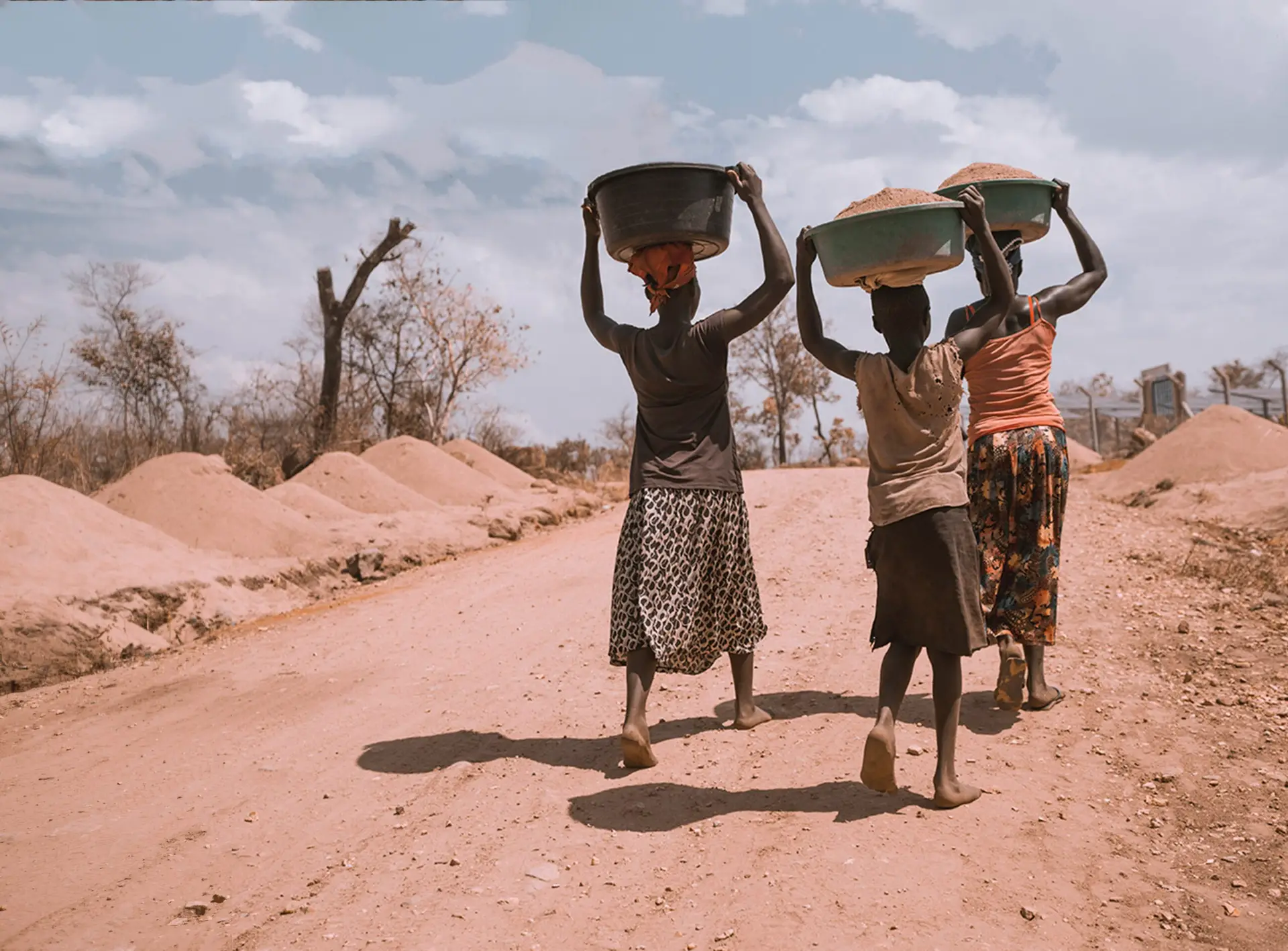
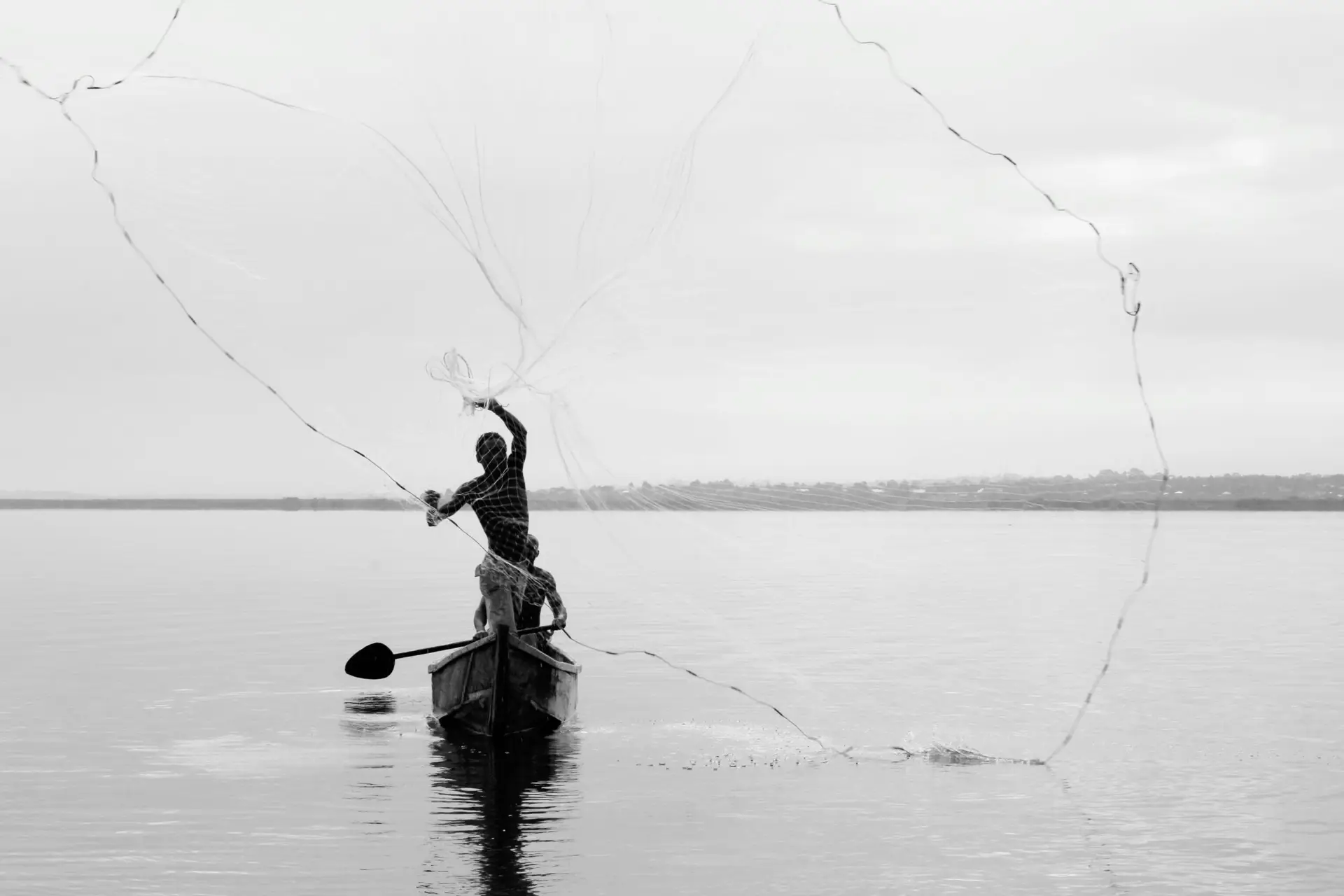
LAKE EYASI / TANZANIA
TRAVEL WITH CONTEXT

It begins
with listening.

a little understanding changes the view.

East Africa’s protected areas do not exist in isolation. People, wildlife, land and livelihoods are connected. Understanding a little of that relationship can change what you notice on safari.

Culture and conservation can be a thread through the whole journey, rather than a separate day. A thoughtful conversation with a guide, an unhurried local visit or a deeper interest in a landscape can all make the experience richer.

PEOPLE, ON THEIR OWN TERMS

Time for
an exchange.

We do not believe culture should be reduced to a quick photograph between game drives. The most worthwhile encounters make room for the people hosting them.

01 / LOCAL PARTICIPATION

Let the hosts lead.

Look for experiences shaped by the people who live there. Their interests, availability and boundaries should guide the visit, including what is shared and how photographs are approached.

02 / EVERYDAY LIFE

Follow what interests you.

Food, farming, craft, local history or a walk through a market can offer another way into a place. Around Lake Eyasi, time beyond the northern safari circuit can bring a different perspective.

03 / TIME & RESPECT

Leave room for conversation.

A visit needs time to feel like an exchange. Share your interests when we plan, so any community experience fits the route and is approached with care rather than squeezed into a transfer day.
the wild does not end at a park boundary.
ELEPHANT FAMILY / AMBOSELI, KENYA
CONSERVATION, IN CONTEXT

Look beyond
the sighting.

A wildlife encounter is one part of a larger story. Habitat, water, research and the realities of living alongside wild animals all shape what you see. Good guiding helps connect those parts.

01 / LANDSCAPES

Space matters.

A park boundary is only part of the picture. Ask how the surrounding land, water and seasonal movement affect the wildlife and the people who share that landscape.

02 / COEXISTENCE

People matter.

Conservation includes livelihoods and difficult everyday choices. Understanding those realities gives more depth to a safari than a simple promise that travel alone solves them.

03 / THE WORK

Questions matter.

Where a suitable conservation experience is available, ask what it involves, who leads it and what your visit contributes. Access should serve the work and the people doing it.

A FOREST CHAPTER

An encounter.
A wider story.

Gorillas and chimpanzees bring their own perspective to an East African journey. The experience is also about the forest they depend on, the people nearby and the care involved in visiting wild primates.

Uganda and Rwanda offer different ways to build that chapter into your travels. Start with the wider route and the time you have, then consider the forest experience that fits.

some questions stay with you.
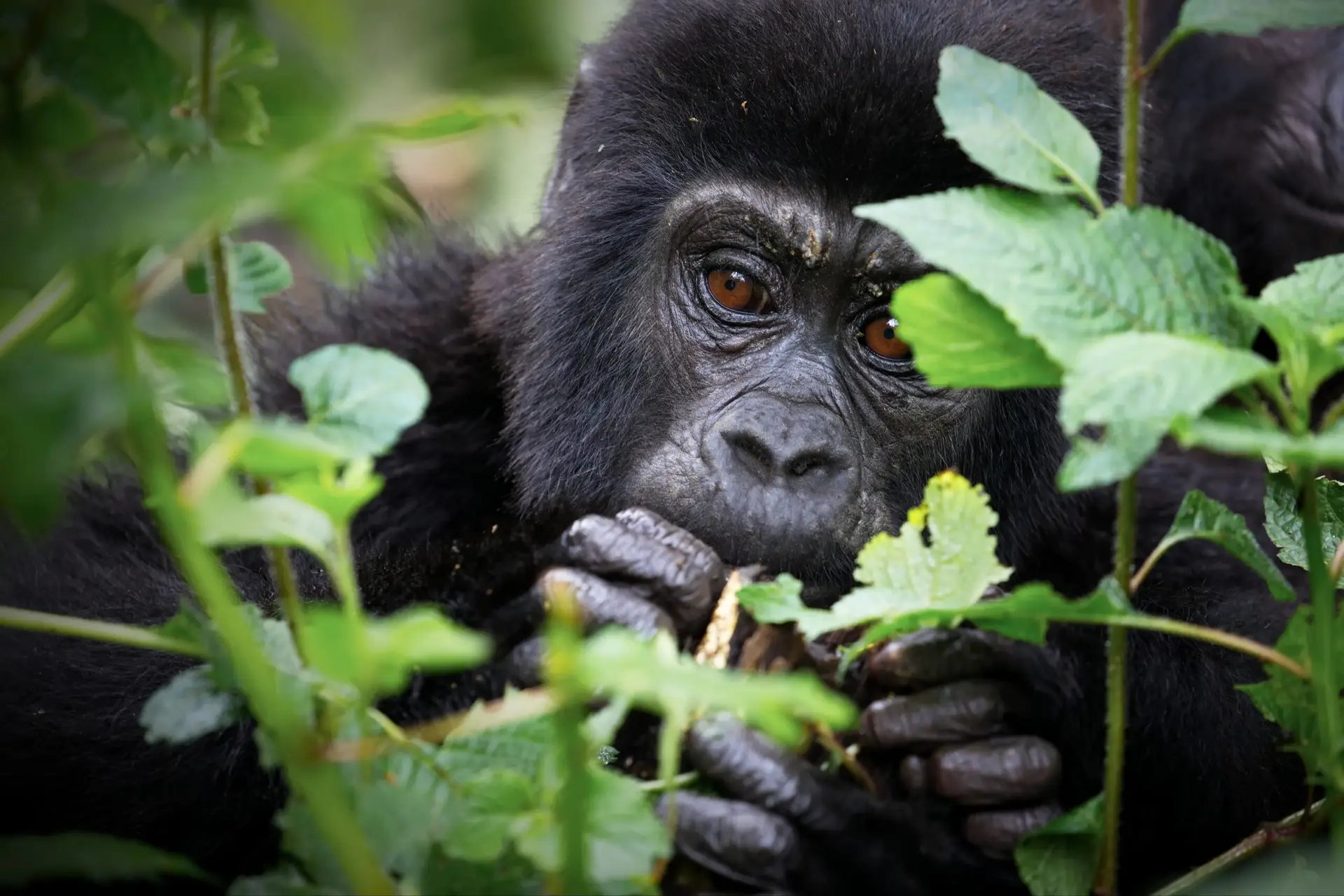
Young gorilla among green forest vegetation in Uganda
A YOUNG GORILLA / UGANDA
SMALL CHOICES

Be curious.
Be considerate.

ask before the photograph.

Let people set the terms.

Ask before photographing someone. A warm welcome does not remove the need for consent, and a camera can change the feel of a conversation.

Give wildlife its space.

Follow your guide and the current rules for each place. Keep encounters calm, allow animals room to move and let their behaviour shape the moment.

Make the interest your own.

You do not need an itinerary full of organised visits. Birding, ecology, photography, food, regional history or geology can simply become a thread in the way your days are guided.

YOUR JOURNEY

What would you
like to understand?

Tell us what draws your curiosity, along with the dates, pace and places you have in mind. We will explore how that interest can fit into a thoughtful private journey.

Elegance. Untamed.